Video Game Engagement vs. Addiction
Dark Patterns, Game UX, Ethical Design, Player Retention, Addiction vs Engagement, Behavioral Psychology
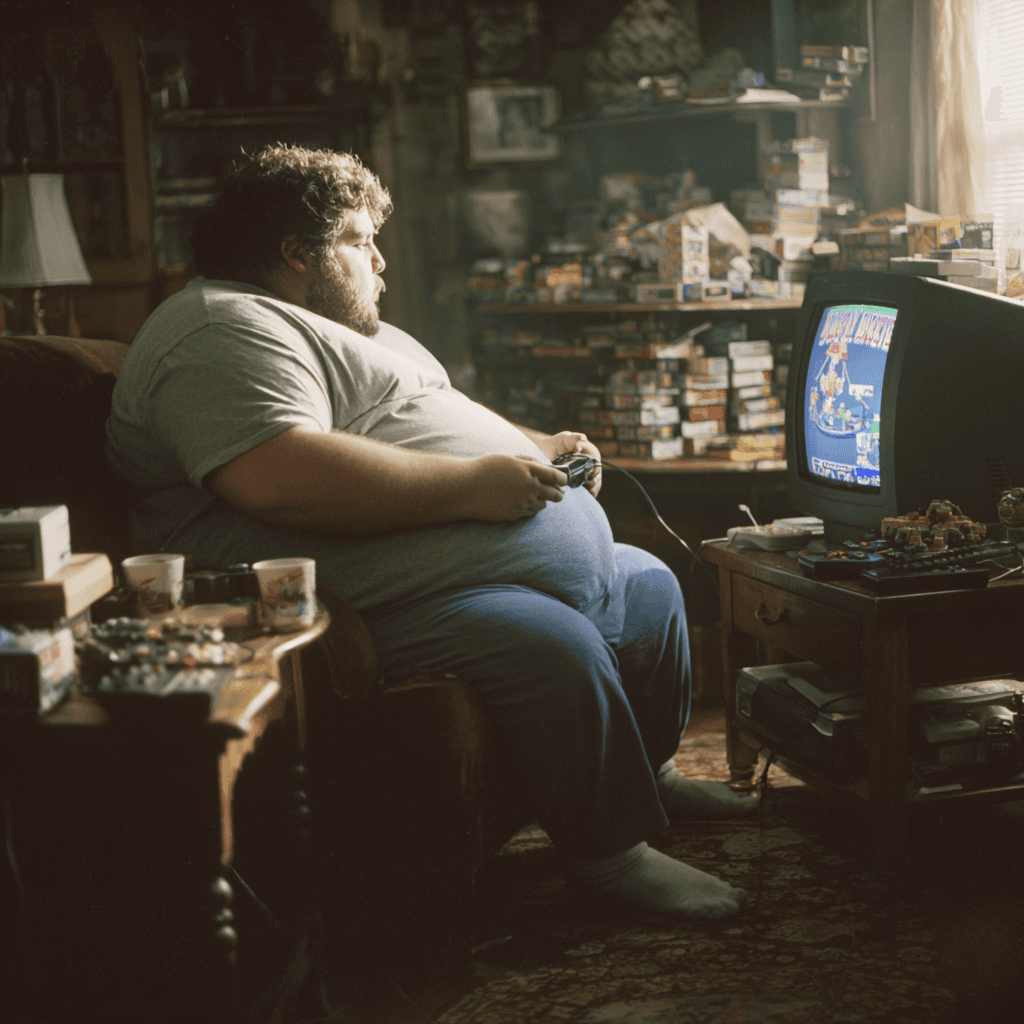
“You’ve played a game you couldn’t put down. Was it engaging – or addicting? And can you really tell the difference?
In UX, dark patterns are designed to trick users. In video games, they’re often hidden inside daily rewards, unskippable levels, and notifications you can’t turn off. The line between healthy engagement and harmful addiction is thin – but it matters.
In this article, I’ll break down real examples from modern games and show you how to recognise dark patterns before they ruin the player experience.”
Video Game Engagement vs. Addiction: Where Dark Patterns Cross the Line
You might be familiar with the term “dark pattern” – a design that tricks users into doing things that aren’t in their best interest.
Dark patterns exist in all sorts of interfaces, but today I want to focus on game interfaces. Think about the last video game you couldn’t stop playing. Why was that? Would you consider it engaging or addicting? The better question is: what’s the difference?
The Fine Line Between Engagement and Addiction
In game design, there’s a fine line between designing for engagement and addiction – which at some level have similar player behaviours.
Dark patterns manipulate players into addiction.
Pure engagement would exist in the absence of these dark patterns.
But context matters. Dark patterns aren’t always implemented with malicious intent. Often, they’re attempts to boost player retention or adoption – but these games are often short‑sighted and not in the best interest of the player.
Example 1: Daily Rewards
In many free games, designers add daily rewards to get more players coming back. On their own, daily rewards are not a dark pattern. But pair them with:
Excessive push notifications that are difficult to turn off, or
Any punishment for missing a daily reward
…and this component becomes a dark pattern. It may lead players down two paths: deleting the game or becoming addicted.
Example 2: No Pause / No Save
Have you played a modern video game with many levels – but the game didn’t allow you to pause or save your progress in the middle of a level? That’s also a dark pattern.
The game wants you to finish the level and keep playing. If you can’t pause, the hope is you’ll continue playing longer than you intended.
Why This Matters for UX Designers
Just because a game has dark patterns doesn’t mean it isn’t enjoyable to play for a little while. But over time, these small annoyances cause players to develop a distaste for the game. That leads them away from being a promoter and on to being a detractor.
As designers – whether for games, apps, or websites – we must ask ourselves: Are we building engagement that respects the user, or addiction that exploits them?
Download our ‘Dark Patterns Checklist’ – 10 common manipulative designs to avoid in your web or mobile app.